
 ไทย
ไทย
'/%3E%3C/svg%3E)
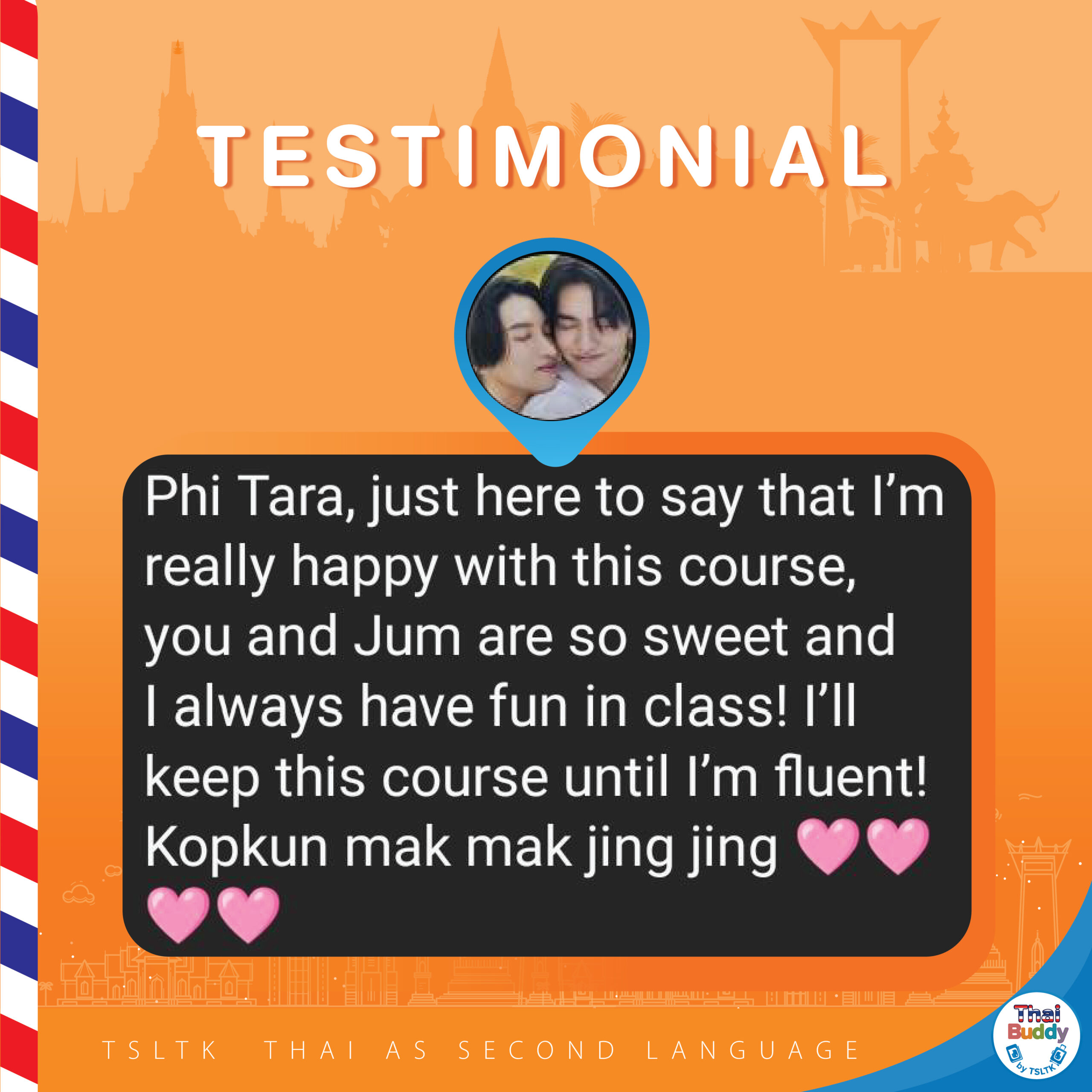
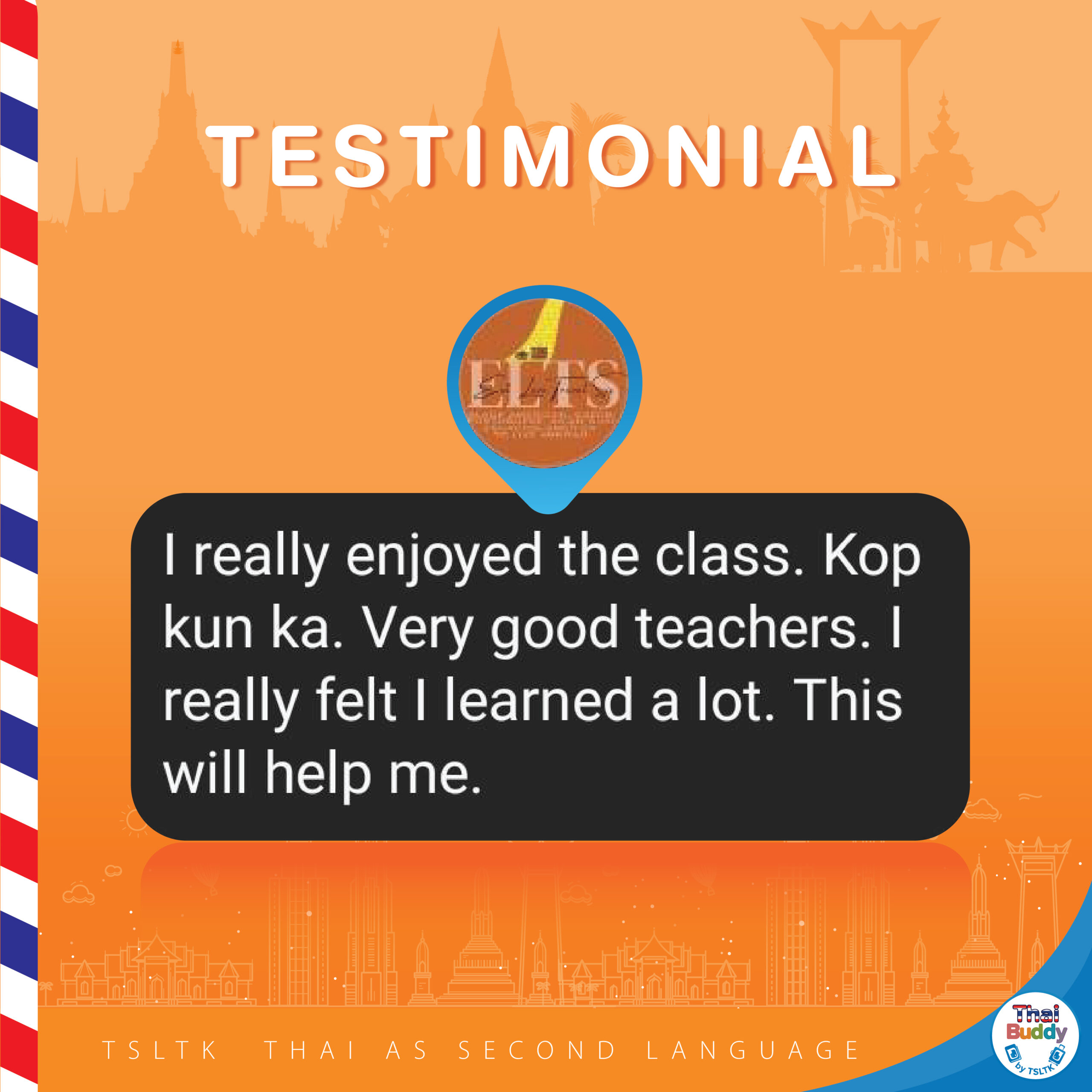
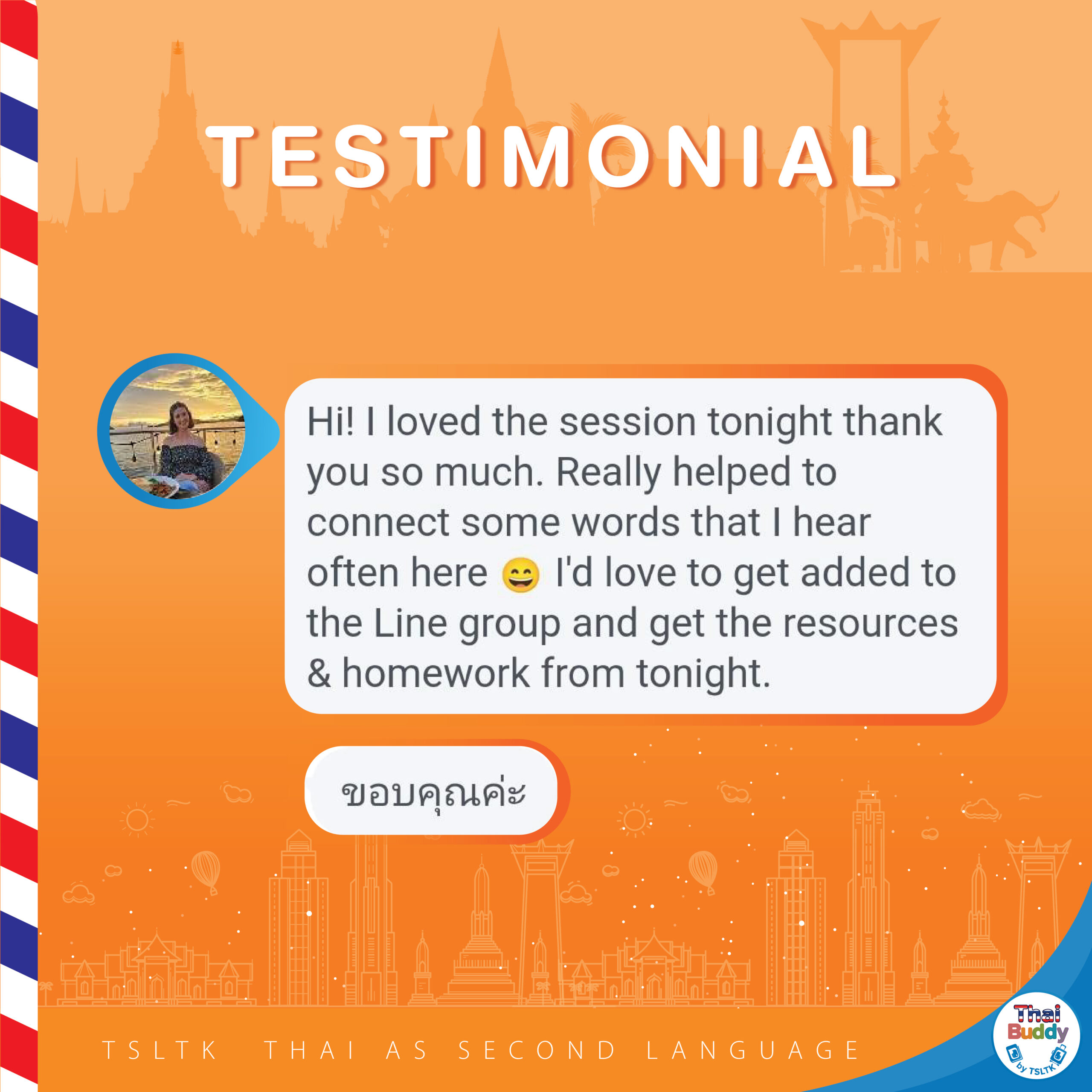
Student Reviews: Thai Buddy by TSLTK





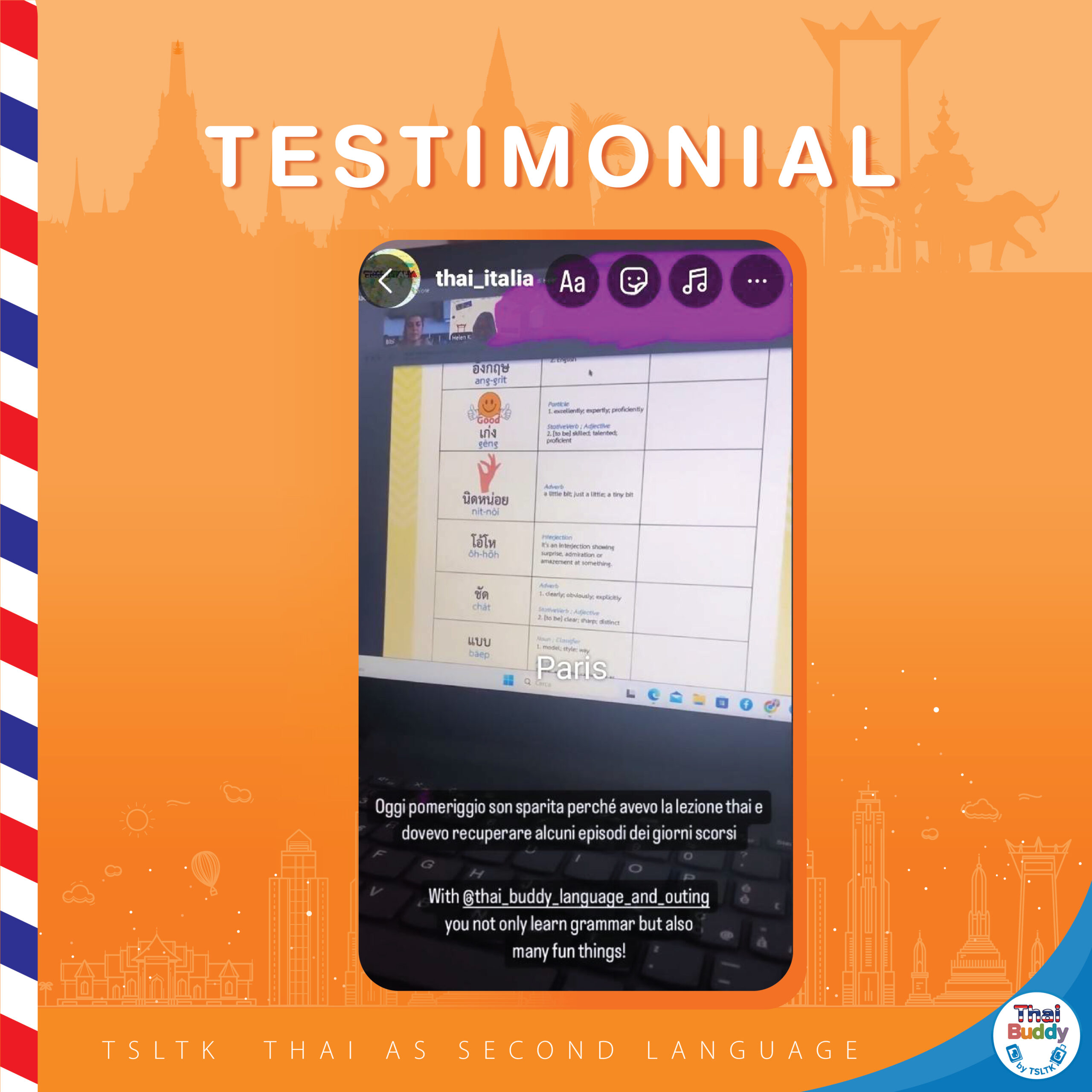
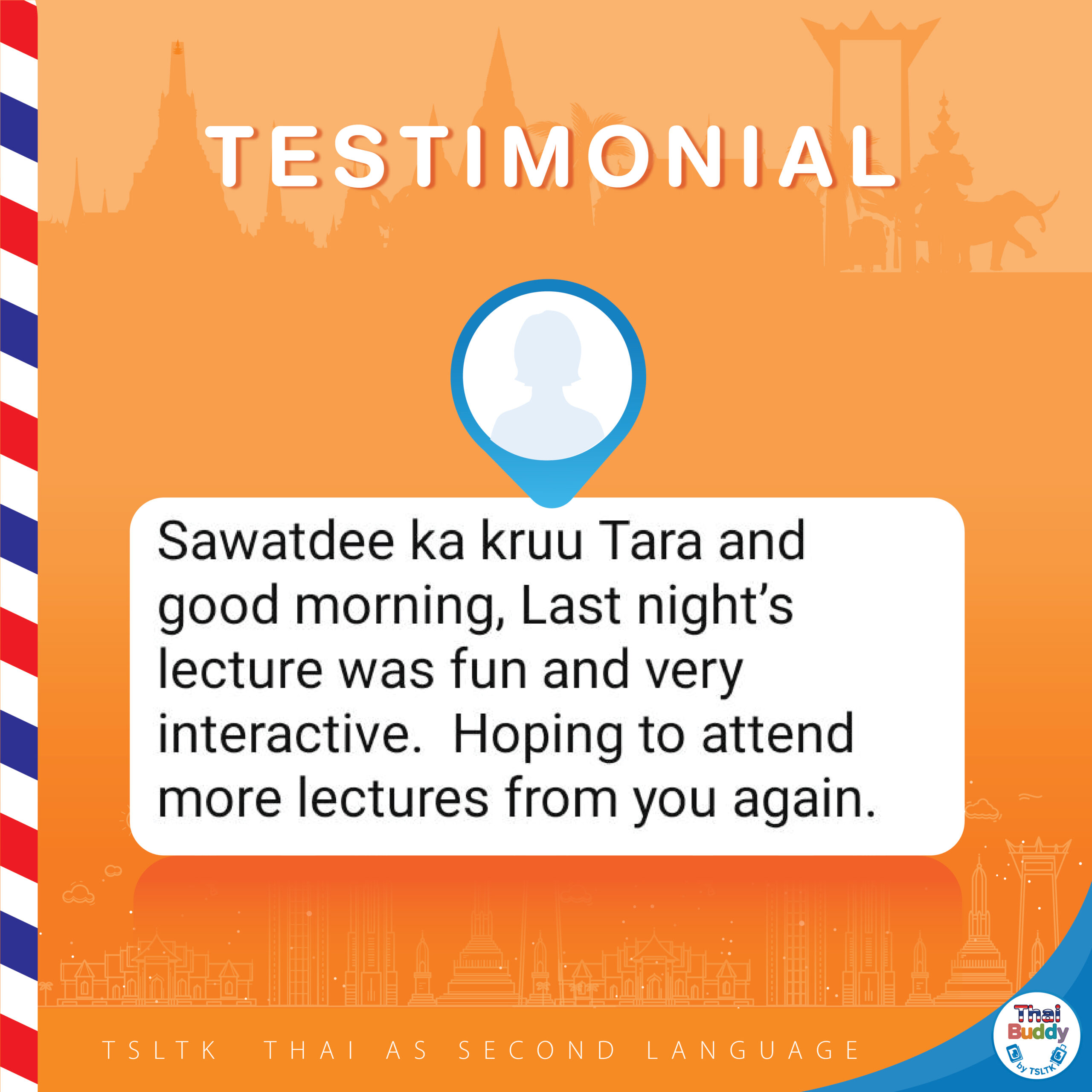
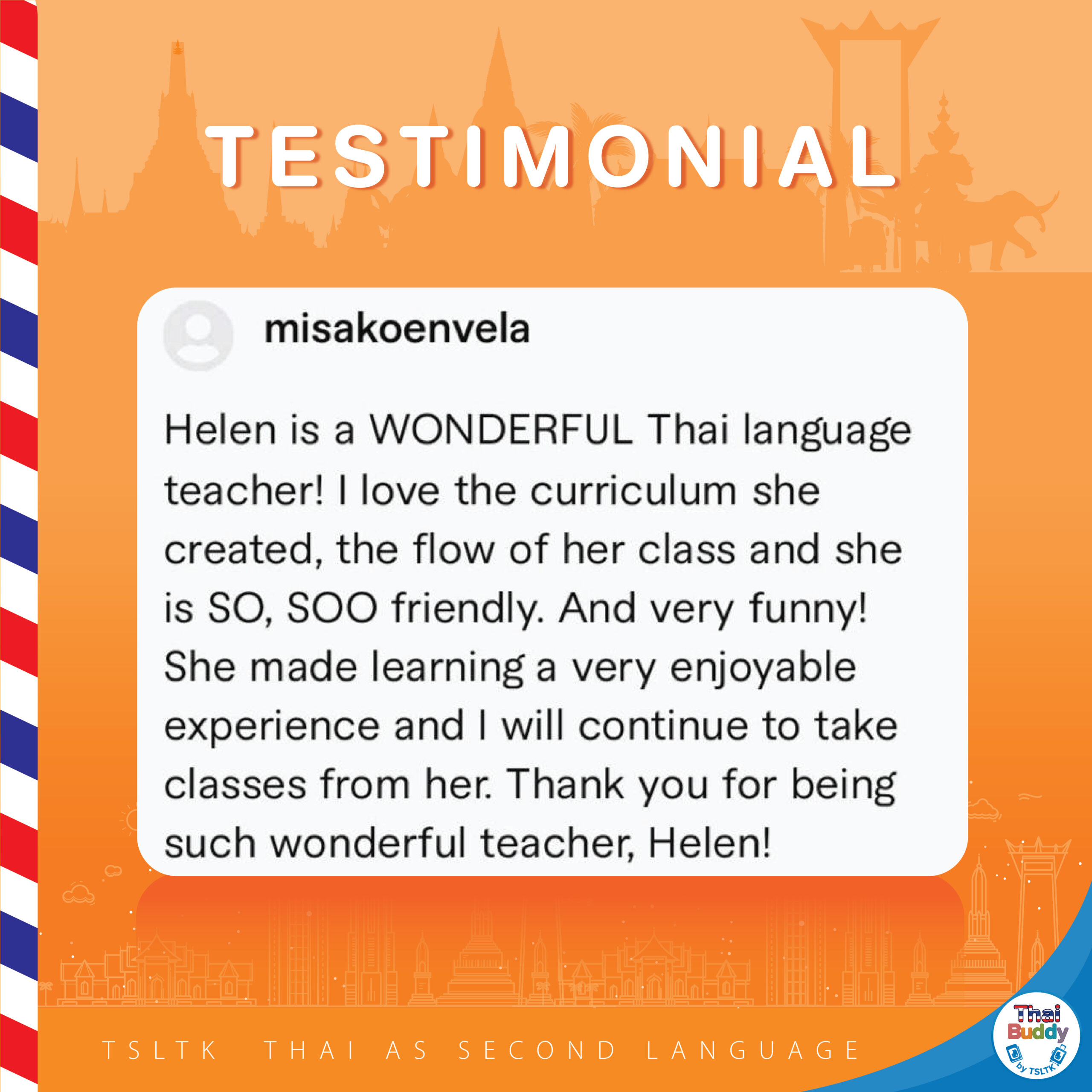
Start speaking Thai today with Thai Buddy by TSLTK.
📱 LINE: @TSLTK
💬 WhatsApp: +61 466 992 895
📧 Email: info.tsltk@gmail.com


Student Reviews: Thai Buddy by TSLTK
Start speaking Thai today with Thai Buddy by TSLTK.
📱 LINE: @TSLTK
💬 WhatsApp: +61 466 992 895
📧 Email: info.tsltk@gmail.com

Can You Be Too Old to Learn Thai? Let’s Talk About It
Many people quietly wonder whether age might be a barrier to learning a new language, especially one as different as Thai. If you have ever asked yourself whether you are “too old” to start learning Thai, the honest answer is simple: no, you are not. Age may influence how you learn, but it does not stop you from learning. In fact, many adult and older learners succeed precisely because they approach learning with clarity, purpose, and patience.
Age Is Not the Real Challenge
What stops most people from learning Thai is not age itself, but self-doubt. Adults often worry about making mistakes or learning too slowly, even though these concerns are a natural part of any learning process. In reality, language learning does not require youth; it requires consistency and willingness to practise. Many older learners progress steadily because they are less rushed and more focused.
Adults Learn with Purpose, Not Pressure
Unlike children, adults usually know exactly why they want to learn Thai. Some want to live comfortably in Thailand, others want to communicate with a Thai partner, and some simply enjoy learning something meaningful. This sense of purpose helps adult learners stay motivated, even when progress feels gradual. Learning with intention often leads to deeper understanding and better long-term results.
Thai Is Best Learned Through Listening and Speaking First
One common misconception is that learners must start with Thai script or complex grammar. In practice, Thai is a spoken language first. Beginners, especially adults, benefit most from focusing on listening and speaking before reading and writing. Building confidence through real conversations makes learning Thai feel more natural and far less intimidating.
Learning Later in Life Can Be More Enjoyable
For many older learners, learning Thai is no longer about exams or performance. It becomes an enjoyable activity rather than a stressful task. Lessons feel more like conversations than classrooms, and mistakes become part of the fun. Without pressure, learning Thai can be both mentally stimulating and emotionally rewarding.
There Is No “Right Age” to Start Learning Thai
People successfully learn Thai in their 40s, 50s, 60s, and beyond. What matters most is choosing the right learning environment — one that is supportive, flexible, and designed for adult learners. Progress does not depend on age, but on comfort, encouragement, and realistic expectations.
Learn Thai Comfortably with Thai Buddy
At Thai Buddy by TSLTK, we believe that learning Thai has no age limit. Our online lessons are designed specifically for adult and mature learners, focusing on real-life communication rather than memorisation. You can learn at your own pace through private lessons or join our free weekend group classes to practise with others in a relaxed and friendly environment.
📅 Free Group Classes every Saturday & Sunday
📱 LINE: @TSLTK
💬 WhatsApp: +61 466 992 895
📧 Email: info.tsltk@gmail.com
Learn Thai for Beginners: A Fun and Practical Way to Start Speaking Thai
Learning Thai can feel exciting at first, but many beginners quickly become overwhelmed by textbooks, grammar rules, and unfamiliar sounds. Thai is a beautiful language, but starting with the wrong learning method can make the process feel difficult and frustrating.
The good news is that learning Thai does not have to be complicated. With the right course and teaching approach, beginners can start speaking Thai naturally and confidently from the very beginning.
Why Many Beginners Struggle When Learning Thai
One of the most common problems beginners face is relying too heavily on traditional textbooks. While textbooks can be useful, they often focus too much on memorisation and grammar explanations instead of real communication.
As a result, many learners understand the theory but still struggle to speak Thai in real-life situations.
Another challenge is learning alone without enough opportunities to practise speaking. Language learning requires interaction, repetition, and real conversations to help the brain remember new words and structures.
This is why learning Thai in a supportive and interactive environment makes a big difference.
Learn Thai Through Pictures and Real Conversations
At Thai Buddy by TSLTK, we believe that beginners learn languages best when lessons are visual, practical, and engaging.
Our Conversational Thai for Beginners course focuses on helping students understand and speak Thai naturally through pictures, conversations, and real-life situations.
Instead of memorising long vocabulary lists, students learn how Thai words connect together in meaningful sentences. This method helps learners remember the language more easily and start using it in daily life.
Join a Friendly Learning Community
Learning a language is much easier when you are not doing it alone. In our beginner group class, students can meet other learners who share the same goal: learning Thai in a fun and relaxed environment.
Students can:
This supportive atmosphere helps beginners feel more confident and motivated to continue learning.
Flexible Learning: Join Live or Learn at Your Own Pace
We understand that everyone learns differently. Some students enjoy live classes and interacting with others, while others prefer learning on their own schedule.
That is why our course offers two flexible options.
Students can join the live class on Zoom every Saturday, or watch the recording anytime and learn at their own pace. This flexibility makes it easier for busy learners to continue learning Thai consistently.
Start Your Thai Learning Journey Today
If you have been looking for a simple and enjoyable way to start learning Thai, this beginner course is a perfect place to begin.
Conversational Thai for Beginners
Learn Thai through pictures — no more boring textbooks.
🗓 Every Saturday
⏰ 6:30 – 7:30 PM (Thai time)
Join live via Zoom and:
Or watch the recording anytime and learn at your own pace.
💰 Only 360 THB per month
Perfect for all beginners.
Start speaking Thai today with Thai Buddy by TSLTK.
📱 LINE: @TSLTK
💬 WhatsApp: +61 466 992 895
📧 Email: info.tsltk@gmail.com

Private vs Group Thai Lessons: Which One Is Better?
If you are planning to learn Thai, one of the first questions you may have is whether you should take private lessons or join a group class. Both options can be effective, but they offer very different learning experiences.
The best choice often depends on your learning style, goals, and schedule. Understanding the advantages of each option can help you choose the type of class that suits you best.
Private Lessons: Personalised and Flexible
Private lessons are often the fastest way to improve your Thai because the class is fully focused on you. The teacher can adjust the pace, lesson content, and activities according to your learning goals.
For example, if you want to focus on conversation for travel, workplace communication, or daily life in Thailand, the teacher can tailor the lesson specifically for your needs.
Private classes are also ideal if you prefer learning at your own pace. Some students like to move quickly, while others prefer to take more time to review and practise.
However, private lessons may feel more intense for some learners because you will be speaking and participating throughout the entire session.
Group Classes: Interactive and Social
Group classes offer a different kind of learning experience. Instead of learning alone with a teacher, you study together with other students who are learning Thai at a similar level.
One advantage of group classes is that they can be more interactive and relaxed. Students often practise conversations together, share ideas, and learn from each other’s questions.
Many learners also enjoy the social aspect of group classes. Learning Thai with other students can feel more fun and motivating, especially when discussing topics you all enjoy.
Group classes are also often more affordable than private lessons, making them a good option for learners who want structured lessons at a lower cost.
So Which One Is Better?
The truth is that neither option is universally better. The best choice depends on what works for you.
If you prefer personalised attention and faster progress, private lessons may be the best fit.
If you enjoy learning with others, practising conversations, and making new friends while learning Thai, group classes can be a great choice.
Many learners even combine both options. For example, they might join group classes regularly and occasionally take private lessons to focus on specific goals.
Learn Thai with Thai Buddy by TSLTK
At Thai Buddy by TSLTK, we offer different learning options so that students can choose the style that suits them best.
Our learning options include:
Contact us to start your Thai journey today!
📱 LINE: @TSLTK
💬 WhatsApp: +61 466 992 895
📧 Email: info.tsltk@gmail.com

The History of the Thai Language: Fun Facts for Learners
If you are learning Thai, you might have wondered where the Thai language comes from. Why does it have tones? Why does the alphabet look so different? And why are there so many polite particles like ครับ (kráp) and ค่ะ (kâ)?
Understanding a little bit about the history of Thai can make learning the language even more interesting. The Thai language has evolved over many centuries and has been influenced by different cultures, religions, and neighbouring countries.
Here are some fun facts about the history of the Thai language that every learner should know.
The Thai writing system was developed in the 13th century during the Sukhothai Kingdom. It is often credited to King Ramkhamhaeng, who created the Thai alphabet based on earlier writing systems from India and the Khmer script.
The system was designed to represent the sounds of the Thai language clearly, which is why Thai writing includes consonants, vowels, and tone markers.
Today, Thai has 44 consonants, 32 vowels, and 5 tones, making it one of the most unique writing systems in the world.
One of the most famous features of Thai is its five tones. The tone you use can completely change the meaning of a word.
For example:
To many learners, tones can feel difficult at first. But the good news is that with practice and listening, your brain gradually learns to recognise them naturally.
The Thai language has been influenced by several other languages over time.
For example:
That is why you may sometimes notice Thai words that sound familiar, especially when talking about technology, business, or modern life.
Another interesting feature of Thai writing is that there are no spaces between words.
Spaces are only used between sentences or clauses. This means learners need to train their eyes to recognise where words begin and end.
At first this can feel confusing, but once you start recognising common word patterns, reading Thai becomes much easier.
Thai is not just about grammar and vocabulary. The language also reflects Thai culture, values, and social relationships.
For example, Thai speakers often use polite particles such as
These words help express politeness and respect. Understanding how Thai people communicate in different social situations is an important part of learning the language.
Learning Thai Should Be Fun and Meaningful
Learning the history and culture behind Thai can make the language feel more alive and meaningful. Instead of memorising vocabulary lists, many learners find it easier to remember Thai when they learn it through stories, conversations, and real-life situations.
At Thai Buddy by TSLTK, we design lessons that help students experience Thai in a natural and engaging way.
Our learning options include:
Contact us to start your Thai journey today!
📱 LINE: @TSLTK
💬 WhatsApp: +61 466 992 895
📧 Email: info.tsltk@gmail.com

How to Overcome Frustration When You Forget What You’ve Learned in Thai
Learning Thai can be exciting, but it can also be frustrating. Many learners feel discouraged when they realise they cannot remember words or sentences they learned just a few days ago. You might recognise the vocabulary in class, but when it is time to speak, everything suddenly disappears from your mind.
If this happens to you, don’t worry — it is a completely normal part of language learning. Forgetting does not mean you are bad at Thai. In fact, it simply means your brain is still processing the language.
Here are a few ways to overcome frustration and keep moving forward.
When learning a new language, your brain needs time to store and organise new information. Thai can be especially challenging because it has unique sounds, tones, and writing systems that are very different from many other languages.
Forgetting something you learned yesterday is not a failure. It simply means your brain needs more exposure and repetition before the information becomes permanent.
Instead of feeling frustrated, try to see forgetting as a normal step in the learning process.
Many learners try to remember Thai by memorising vocabulary lists. However, words are much easier to remember when they are connected to real situations.
Try learning Thai through conversations, stories, or daily situations. When you hear and use the same words repeatedly in context, your brain can understand how they are used naturally.
For example, instead of memorising the word กิน (gin) by itself, you might remember it better in a sentence such as ไปกินข้าวกัน (bpai gin kâao gan) which is ‘let’s go to eat together’.
One common reason learners forget Thai is that they only study once or twice a week. A short daily practice can be much more effective than a long study session once a week.
Listening to Thai songs, watching Thai series, or reviewing a few sentences every day can help reinforce your memory. Even 10–15 minutes of Thai each day can make a big difference.
Consistency is often more important than intensity.
Learning Thai takes time, and progress is not always linear. Some days you may feel confident, while other days you might feel like you forgot everything.
This is completely normal. The important thing is to keep going.
Every time you review, listen, speak, or read Thai, your brain is building stronger connections. Over time, the words and structures will start to feel more natural.
Learn Thai in a Way That Makes It Easier to Remember
At Thai Buddy by TSLTK, we design lessons that help students remember Thai naturally through pictures, conversations, and real-life situations — not just memorising word lists.
Our learning options include:
Contact us to start your Thai journey today!
📱 LINE: @TSLTK
💬 WhatsApp: +61 466 992 895
📧 Email: info.tsltk@gmail.com

Want to Learn Thai for Free? Start Here — And Discover Our Most Affordable Group Course.
Many people want to learn Thai but are not sure where to begin. Some learners are curious about the language, while others are interested in Thai culture, music, or series. The good news is that today there are many ways to start learning Thai for free.
Before joining a structured course, you can explore the language through different resources online. These options can help you become familiar with Thai sounds, words, and basic expressions.
Here are some simple ways to start learning Thai for free.
One of the easiest ways to start learning Thai is by searching for free lessons on social media platforms. If you search for “learn Thai” on YouTube, Facebook, or Instagram, you will find many Thai teachers sharing short lessons, vocabulary explanations, and pronunciation tips.
These short clips often provide snapshots of Thai lessons that can help beginners become familiar with the language before committing to a full course.
Another great way to learn Thai for free is through language exchange. Many learners connect with Thai speakers who want to practise English or another language.
You can find language exchange partners in Facebook groups such as:
You can also use language exchange platforms such as HelloTalk, or even post in communities like Threads to find language partners.
Language exchange is a great way to practise casual conversations and make new friends while learning Thai.
Many learners improve their Thai naturally by watching Thai series or listening to Thai music. This helps you become familiar with pronunciation, rhythm, and everyday expressions.
Even if you do not understand everything at first, regular exposure to Thai can help your brain recognise words and sounds more easily over time.
At Thai Buddy by TSLTK, we have been running free Thai lessons for the past three years. Many students started learning Thai with us through these free sessions.
Over time, many of these students have progressed to intermediate and advanced levels. If you are already at these levels, you are still welcome to join our free group lessons and practise Thai with other learners.
Recently, we opened a new beginner group course designed for students who want a structured learning path at an affordable price.
The course costs only 360 THB per month.
In this class, students learn through our signature course method, which focuses on pictures and immersion techniques. Instead of memorising long vocabulary lists or boring textbook explanations, students learn Thai through real communication and visual context.
Students can:
This flexible option allows learners to study Thai in a way that suits their schedule.
Start Your Thai Learning Journey Today
Whether you start with free resources, language exchange, or structured lessons, the most important thing is to begin and stay consistent.
If you are looking for an affordable and engaging way to start learning Thai, our beginner group course may be the perfect place to begin.
Contact us to learn more.
📱 LINE: @TSLTK
💬 WhatsApp: +61 466 992 895
📧 Email: info.tsltk@gmail.com
Thai Fonts in the Real World: A Survival Guide for Learners
Many Thai learners have the same experience. You learn the Thai alphabet in class, practise reading from textbooks, and everything seems manageable. But when you walk outside and see Thai signs, restaurant menus, or social media posts, suddenly the words look completely different.
If you have ever felt like you can read Thai in class but not in the real world, you are not alone. This is one of the most common challenges for learners of Thai.
The good news is that there is a simple explanation—and once you understand it, reading Thai outside the classroom becomes much easier.
Why Thai Fonts Look Different Outside the Classroom
Most Thai textbooks use a style of writing called looped Thai fonts. These fonts include the small circles or loops that appear in many Thai letters. They are designed to make each character clear and easy for beginners to recognise.
However, in everyday life in Thailand, many signs and digital texts use loopless fonts. These fonts remove the small circles and simplify the shapes of letters.
Because of this, some letters may look unfamiliar to learners, even though they are actually the same characters you already know.
For example, certain letters can look very different when written in loopless fonts, which can make learners feel like they are seeing a completely new alphabet.
The Good News: You Already Know These Letters
The most important thing to remember is that you are not learning a new alphabet. The letters are exactly the same—only the style of writing has changed.
Once your brain becomes familiar with different Thai fonts, you will start recognising them more easily. Just like in English, where the same letter can appear in many different fonts, Thai also has multiple styles.
With a little exposure and practice, your reading skills will quickly improve.
How to Train Your Eyes to Read Thai Fonts
One of the best ways to improve your reading is simply to expose yourself to Thai in the real world.
Try looking at Thai text in different places such as:
At first it may feel slow, but over time your brain will begin to recognise the shapes of letters automatically.
Another useful strategy is to read words in context instead of focusing on individual letters. When you see a word in a sentence or situation, it becomes much easier to guess and understand the meaning.
Learning Thai Through Real-Life Context
Language learning becomes much easier when it connects with real-life situations. Instead of focusing only on memorising vocabulary, try learning Thai through conversations, stories, and topics you enjoy.
This approach helps you recognise words faster and remember them longer.
At Thai Buddy by TSLTK, we believe learning Thai should be practical, engaging, and connected to real life.
We offer several ways to learn Thai depending on your learning style:
Learning Thai should be fun, engaging, and connected to what you love.
📱 LINE: @TSLTK
💬 WhatsApp: +61 466 992 895
📧 Email: info.tsltk@gmail.com
Keep Forgetting Thai? Here’s Why — And What to Do
If you are learning Thai and feel like you keep forgetting what you studied, you are not alone. Many Thai learners experience the same frustration. You might remember a word during class, but a few days later it suddenly disappears from your memory.
The good news is that forgetting is actually a normal part of language learning. Understanding why it happens can help you find better ways to remember Thai more effectively.
Why Do You Keep Forgetting Thai?
One of the main reasons learners forget Thai is simply lack of repetition. Most students study Thai once or twice a week, but they may not use the language again until the next lesson. Without repeated exposure, the brain naturally forgets new information.
Another reason is that many learners try to memorise vocabulary without context. When words are learned as isolated lists rather than used in conversations or real-life situations, they are much harder to remember.
Thai also has unique features such as tones and unfamiliar sounds, which may take time for the brain to process. It is normal for learners to need multiple exposures before a word or sentence becomes easy to recall.
The Key to Remembering Thai: Use It More Often
One of the best ways to remember Thai is to use the language regularly. Speaking, listening, and reading Thai more frequently helps move information from short-term memory to long-term memory.
Even small daily exposure can make a big difference. Listening to Thai conversations, watching Thai series, or practising simple sentences can help reinforce what you learned in class.
The more often you see and hear the same words, the easier they become to remember.
Learn Thai Through Context, Not Just Vocabulary Lists
Memorising long vocabulary lists can feel overwhelming. Instead, try learning words through sentences, dialogues, or stories.
When vocabulary is connected to a situation or emotion, it becomes much easier for the brain to remember. This is why many learners find it easier to remember phrases from Thai dramas or conversations with teachers.
Learning through context also helps you understand how Thai is used naturally in real life.
Consistency Matters More Than Intensity
Many learners think they need to study Thai for many hours at once to improve. In reality, consistency is far more important.
Studying a little bit every day, even for just 10–15 minutes, helps reinforce the language much more effectively than occasional long study sessions.
Language learning is a gradual process, and steady practice is the key to long-term progress.
Make Learning Thai Fun and Memorable
At Thai Buddy by TSLTK, we believe learning Thai should be enjoyable and connected to things you love. When lessons are engaging and interactive, students remember the language more easily.
We offer several ways to learn Thai depending on your learning style:
Learning Thai should be fun, engaging, and connected to what you love.
📱 LINE: @TSLTK
💬 WhatsApp: +61 466 992 895
📧 Email: info.tsltk@gmail.com

What Is It Like to Learn Thai from Your Favourite Thai BL Series?
Thai BL series have gained international popularity over the past few years. Fans from around the world follow their favourite actors, storylines, and memorable dialogues. But for many viewers, watching these series also sparks a new interest — learning the Thai language.
If you are a BL fan, learning Thai from your favourite Thai series can be a surprisingly effective and enjoyable way to study the language.
Why Thai BL Series Are Great for Language Learning
Thai BL series are full of everyday conversations, emotions, and natural expressions. Unlike textbook dialogues, the language used in series often reflects how people actually speak in real life.
When learners watch Thai series, they begin to recognise common words and phrases naturally. Over time, students start noticing patterns in the language, pronunciation, and tone of voice used by the characters.
Because the context is emotional and engaging, the brain tends to remember the language more easily. Instead of memorising vocabulary lists, learners connect the words with scenes, characters, and situations they enjoy.
Learning Thai Through Stories and Characters
Another advantage of learning Thai from BL series is the storytelling aspect. When learners follow a story they love, they naturally become more motivated to understand the dialogue.
Many students start by recognising simple expressions such as greetings, reactions, or common conversational phrases. As they continue watching and studying, they gradually understand more complex sentences and emotional nuances.
This makes the learning experience feel less like studying and more like enjoying a story.
From Watching to Speaking
While watching Thai series can help learners recognise vocabulary and pronunciation, real progress happens when students begin using the language themselves.
Practising with a teacher or classmates helps learners turn passive listening into active communication. Students can ask questions about scenes they watched, learn how certain expressions are used, and practise speaking in similar situations.
This combination of entertainment and guided learning can significantly accelerate language progress.
Learn Thai Through Your Favourite Thai BL Series
At Thai Buddy by TSLTK, we understand how powerful pop culture can be in language learning. That is why some of our classes are designed specifically for students who enjoy Thai BL series.
Our lessons help students learn Thai through conversations, characters, and situations inspired by the series they love.
We offer:
Learning Thai should be fun, engaging, and connected to what you love.
📱 LINE: @TSLTK
💬 WhatsApp: +61 466 992 895
📧 Email: info.tsltk@gmail.com